Minnesota’s Second District is a mix of growing suburbs and rural communities, and both are held back by the same problem: infrastructure that has not kept pace with how people actually live and work. Roads and bridges are aging. Transit options thin out the moment you leave the urban core. And in too many rural corners of the district, reliable high-speed internet is still not a given. Infrastructure is not a glamorous issue, but it touches every part of daily life, from the commute to work to whether a kid can do their homework at home.
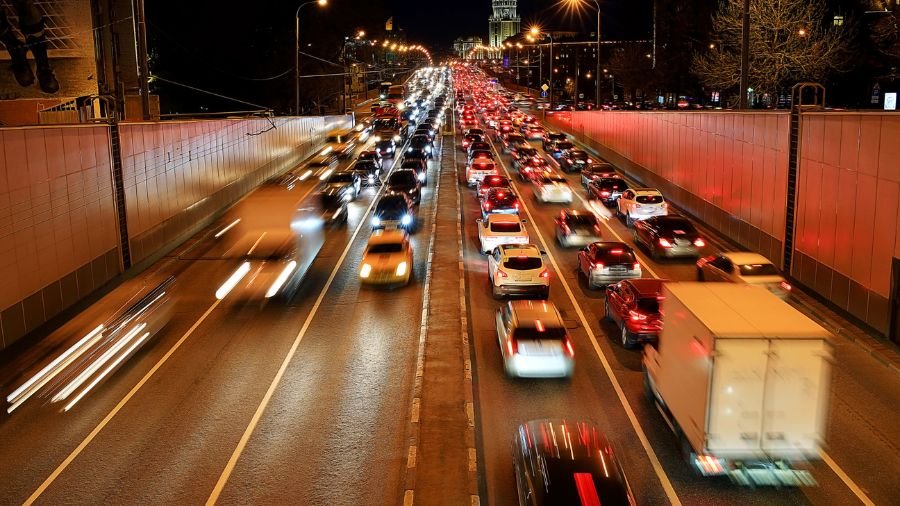
I am a pragmatist about this. Families lose hours every week stuck in traffic or driving long distances because there is no other option. Seniors and people who cannot drive get cut off from medical appointments, jobs, and their own communities. Small businesses struggle to grow where the roads, transit, and internet cannot support them. These are solvable problems, and the federal government has a clear role to play.
In Congress, I will fight to bring our fair share of federal infrastructure dollars home to the Second District. That means investing in suburban and rural transit expansion so that getting to work, school, and care does not depend on owning two cars. It means supporting expanded rail access that connects our communities to the wider region and reduces the strain on our roads. And it means finishing the job on broadband, so that every household, no matter how rural, has the reliable, affordable high-speed internet that modern life and modern work require.
Broadband in particular has become a basic utility, not a luxury. During recent years we learned the hard way what happens to students, remote workers, and rural businesses when the connection is not there. A child should not have to sit in a parking lot to get a strong enough signal to submit an assignment. I will treat universal broadband as the infrastructure priority it is.
Good infrastructure also means good jobs. The work of building and maintaining roads, rail, transit, and broadband networks employs people across the district at fair wages, and I will make sure those projects put local workers first.
This is the kind of practical, forward-looking leadership I believe in: seeing what our communities will need before the problem becomes a crisis, and fighting to deliver it. I am running to make sure the Second District is connected, mobile, and ready for the future, not left behind by it.